
Persistent headaches, confusion, weakness, balance problems, drowsiness, or sudden behavioral changes after a fall or head injury should never be ignored, especially when symptoms gradually worsen over time. In certain cases, these symptoms may occur due to bleeding inside the skull, which may require urgent neurological evaluation and surgical treatment. Dr. Puneet Gulati is a leading neurosurgical specialist and a trusted name for intracranial hemorrhage treatment.
If you are seeking advanced treatment for brain bleeding or pressure-related neurological conditions, consulting an experienced neurosurgical specialist can help determine the most appropriate surgical approach based on the patient’s condition.
Book an Appointment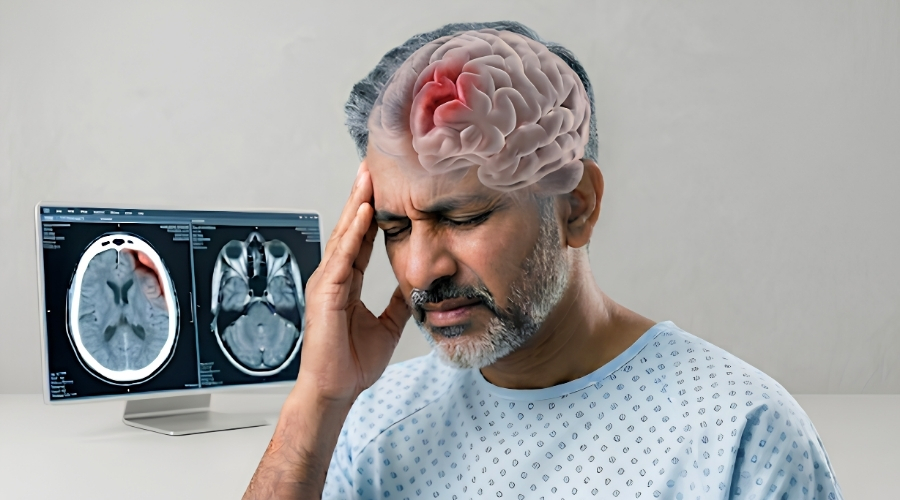
Chronic subdural hematoma is a condition in which blood gradually collects between the brain surface and its outer covering, usually after minor head trauma or injury. The bleeding may slowly increase over days or weeks and begin putting pressure on the brain.
The condition is more commonly seen in older adults, individuals taking blood thinners, or patients with a history of falls or head injury.
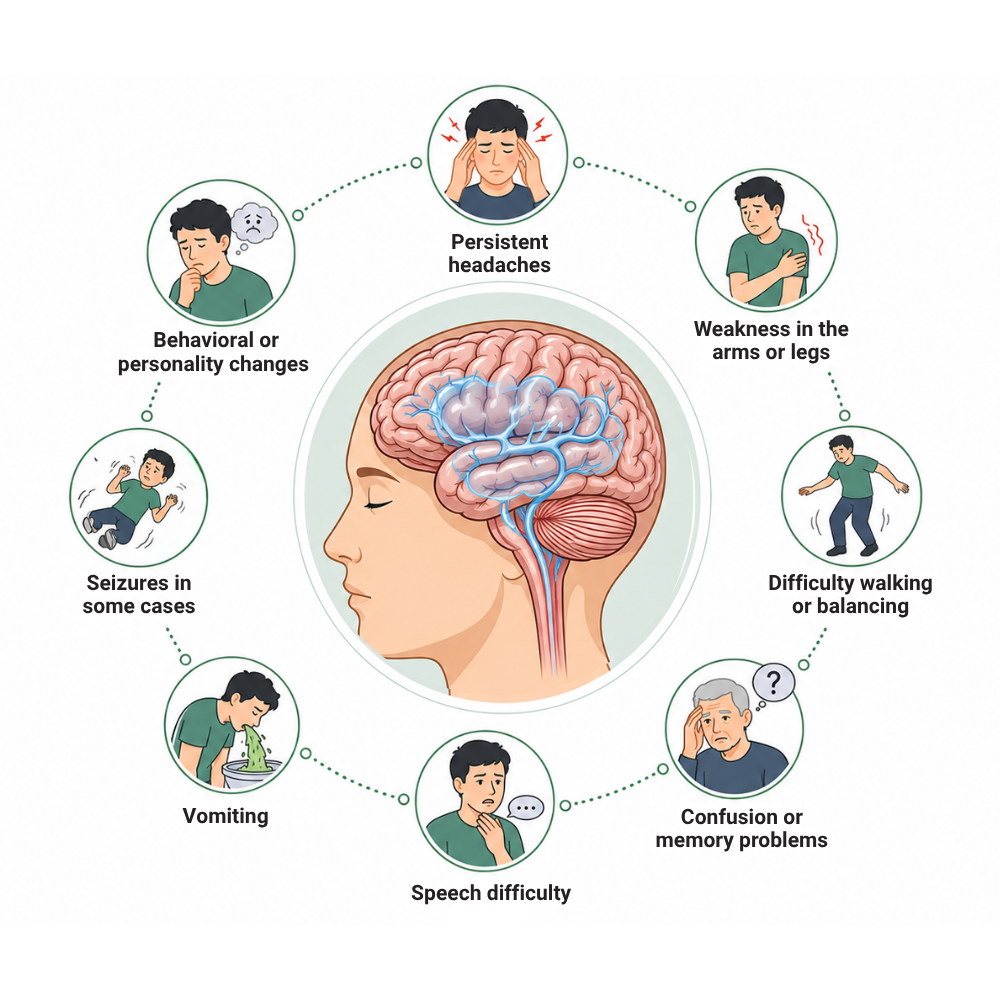
Symptoms may develop gradually and worsen over time.
Common symptoms include:
Patients experiencing such symptoms require immediate neurological evaluation.
Surgery may be recommended when the accumulated blood begins causing pressure on the brain or neurological symptoms.
It may be considered in situations such as:
The suitability for surgery depends on the severity of bleeding, neurological condition, and imaging findings.
The procedure is usually performed to remove accumulated blood and relieve pressure on the brain.Depending on the condition, surgery may involve:
The condition is more commonly seen in older adults, individuals taking blood thinners, or patients with a history of falls or head injury.
The exact surgical approach depends on the size and location of the bleed and the patient’s overall neurological condition.
Recovery varies depending on the patient’s age, severity of bleeding, and neurological condition before treatment. Patients may require:
Timely treatment and rehabilitation may help improve long-term neurological recovery.


Dr. Puneet Gulati is a renowned neurosurgical specialist who focuses on timely diagnosis, detailed neurological evaluation, and personalized surgical planning for complex brain and neurological conditions.
Patients choose Dr. Puneet Gulati for intracranial hemorrhage treatment because of:
"Early recognition and timely surgical management of intracranial bleeding can play an important role in protecting neurological function and improving recovery outcomes."
— Dr. Puneet GulatiPersistent headaches, weakness, confusion, or neurological changes after a fall or head injury should never be ignored. Patients from Rohini and nearby areas of Delhi consult Dr. Puneet Gulati for advanced neurological evaluation and personalized surgical care for brain-related conditions.
If symptoms related to intracranial bleeding or neurological changes have been affecting daily life, professional neurosurgical care is just a call away. Book an appointment with Dr. Puneet Gulati for intracranial hemorrhage treatment today at Trinity Spine and Neuro Clinic.
Disclaimer: The content on this page is for informational and educational purposes only. Diagnosis and treatment should always be based on a qualified doctor's clinical evaluation and medical advice.