
Neck pain is no longer limited to older adults or physically demanding professions. Today, long working hours, excessive screen time, stressful schedules, and poor posture have made neck-related discomfort increasingly common among people of all age groups. Dr. Puneet Gulati is an experienced neurosurgeon known for providing neck pain treatment in Rohini, Delhi, that helps address the root cause of the pain.
Book an Appointment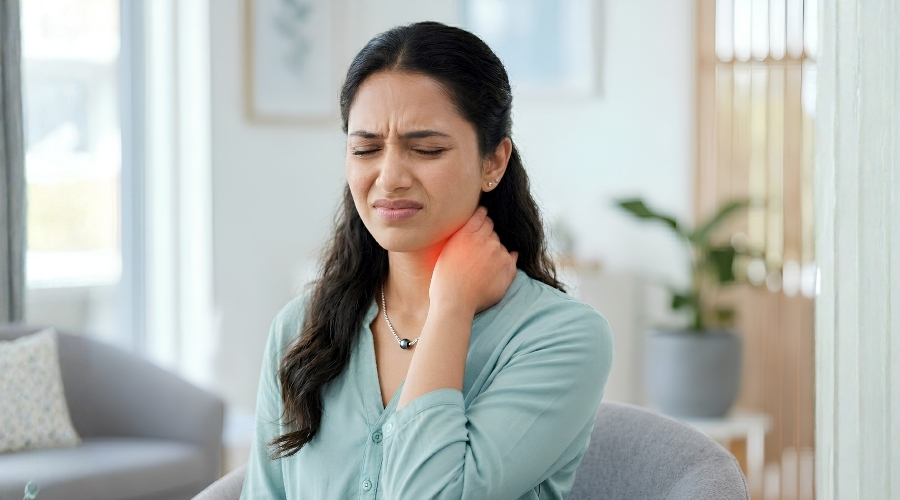
Neck pain refers to discomfort, tightness, or restricted movement affecting the cervical spine (neck region of the spine). The neck plays an important role in supporting the head while allowing flexibility and movement in different directions. When the muscles, joints, discs, ligaments, or nerves in this region become strained, irritated, or compressed, pain and stiffness may occur.
The condition may affect students, office workers, drivers, athletes, and individuals with prolonged sitting habits or poor posture. While mild cases may improve with rest and posture correction, persistent symptoms may require chronic neck pain treatment for lasting relief.
Neck pain can differ depending on its cause, severity, and duration.
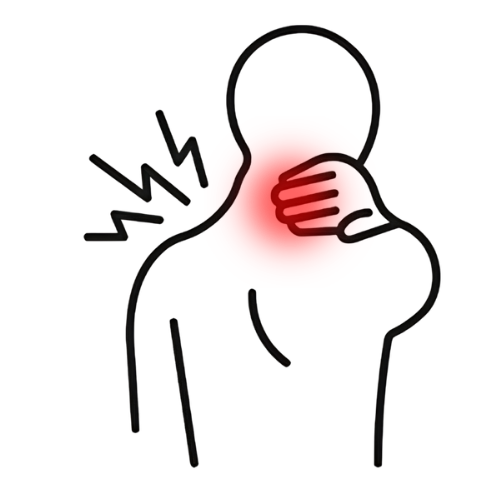
Acute neck pain develops suddenly and usually lasts for a short period. It commonly occurs due to improper sleeping posture, muscle strain, or sudden neck movement.
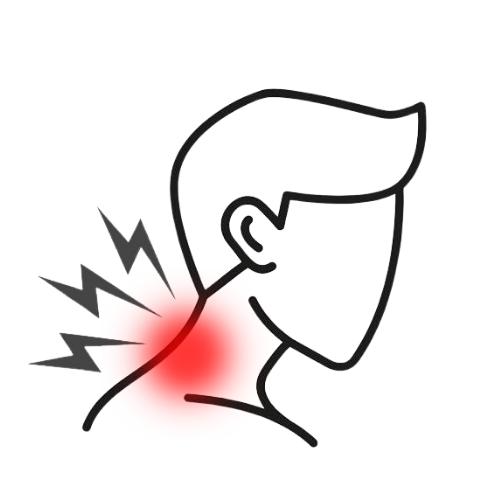
Chronic neck pain continues for several months and may interfere with routine activities and sleep quality. Long-standing symptoms often require specialized chronic neck pain treatment and rehabilitation.
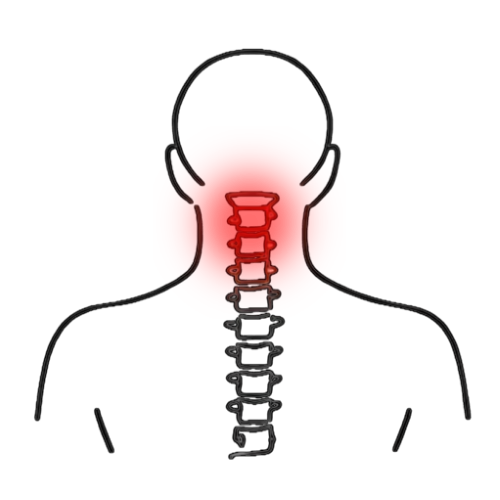
Mechanical neck pain mainly affects the muscles, joints, or ligaments of the neck and often worsens with movement or prolonged posture strain.
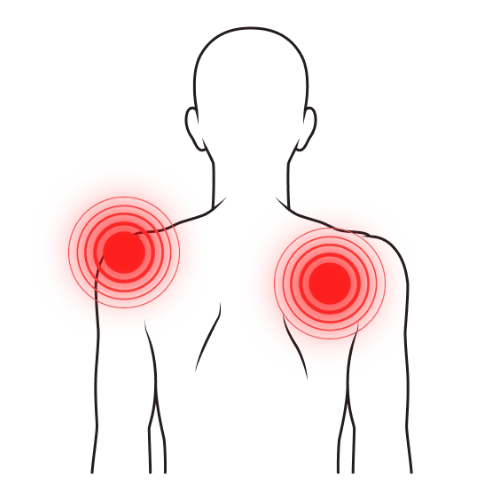
In some cases, pain may spread from the neck to the shoulders, arms, or hands due to nerve compression in the cervical spine. This may also cause tingling or numbness.
Neck pain can develop due to several lifestyle-related and medical conditions.
Poor sitting or sleeping posture
Excessive mobile phone or laptop use
Long hours of desk work
Muscle strain due to sudden movements
Stress-related muscle tightness
Cervical spondylosis (age-related spinal wear)
Herniated cervical disc
Sports injuries or road accidents
Weak neck and shoulder muscles
Nerve compression in the cervical spine
Neck pain is often temporary and may improve with rest, stretching, or posture correction. However, certain symptoms may indicate an underlying cervical spine or nerve-related condition that requires specialist evaluation.
Warning signs that should not be ignored include:
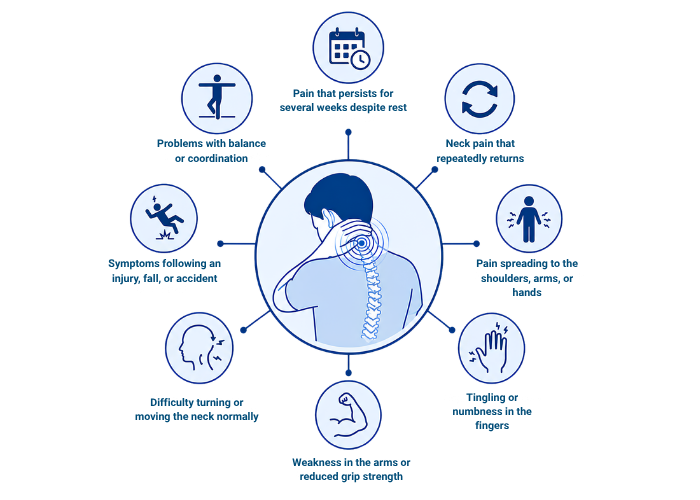
Persistent symptoms may sometimes indicate cervical disc problems, nerve compression, spinal degeneration, or other conditions that require medical attention. Early evaluation can help prevent worsening symptoms and support better recovery outcomes.
Mild neck discomfort may improve with rest and basic care. However, some symptoms should not be ignored.
You should consult a doctor if you experience:
Early diagnosis can help prevent the progression of spine and nerve-related complications.
Accurate diagnosis is essential to identify the exact cause of neck pain and determine the most suitable treatment approach.
The evaluation may include:
At Trinity Spine and Neuro Clinic, the diagnostic approach focuses on identifying the underlying cause of symptoms before planning treatment.
The treatment for neck pain depends on the underlying cause, severity of symptoms, and duration of the condition. Most patients improve with conservative care, while certain advanced cases may require specialized procedures.

Medicines may be prescribed to reduce inflammation, muscle tightness, and pain. These medications are carefully selected according to the patient's condition and medical history.

Physiotherapy plays an important role in improving neck flexibility, posture, muscle strength, and spinal support. Guided rehabilitation exercises may also help prevent the recurrence of symptoms.

Simple daily modifications can significantly improve neck health and reduce strain. These may include:
Patients with neck muscle tightness or stiffness may benefit from physiotherapy, posture correction, and activity modification.

Individuals requiring chronic neck pain treatment may need a combination of rehabilitation exercises, medication, posture improvement, and long-term spinal care strategies.

In selected cases, advanced procedures such as nerve blocks, minimally invasive spine treatments, or surgery may be considered if conservative treatment does not provide adequate relief.
Dr. Puneet Gulati carefully evaluates every patient before recommending advanced treatment or surgical intervention.
Book a Consultation →The cost of neck pain treatment in Rohini may vary depending on the cause and severity of the condition. It can differ based on:
Mild cases may improve with conservative management, while complex cervical spine conditions may require detailed treatment planning.

Dr. Puneet Gulati, a renowned back pain specialist, focuses on identifying the underlying cause of symptoms and creating personalized treatment plans based on each patient's condition, lifestyle, and recovery goals. Patients receive comprehensive evaluation and evidence-based care for a wide range of spine and neurological conditions.
Patients choose Dr. Puneet Gulati for neck pain treatment in Rohini, Delhi because of:
The approach is centered on helping patients understand their condition clearly and guiding them toward safe, effective, and sustainable care.
"Neck pain can gradually affect posture, movement, and daily comfort. My focus is on providing the right treatment at the right time to help patients move freely and comfortably again."
— Dr. Puneet GulatiPersistent neck stiffness, restricted movement, or radiating pain should not be ignored. Early medical attention can help reduce discomfort, improve posture, and prevent long-term spinal complications. Patients seeking neck pain treatment can receive a comprehensive evaluation and personalized care from Dr. Punnet.
Book an appointment with Dr. Puneet Gulati for neck pain treatment in Rohini Delhi, today!
Disclaimer: The content on this page is for informational and educational purposes only. Diagnosis and treatment should always be based on a qualified doctor's clinical evaluation and medical advice.