
We all know how frequent headaches can affect concentration, sleep quality, work performance, and overall daily functioning. While occasional headaches are common, persistent or recurring pain may sometimes indicate an underlying neurological or lifestyle-related condition that requires proper medical attention. If you are experiencing ongoing discomfort and searching for reliable headache treatment in Rohini, Delhi, timely evaluation under Dr. Puneet Gulati's guidance can help identify the exact cause and prevent symptoms from worsening.
Book an Appointment
A headache refers to pain or discomfort occurring in the head, scalp, neck, or surrounding regions. The intensity may range from mild pressure to severe throbbing pain, depending on the type and cause of the headache.
Headaches may occur occasionally or become chronic and recurrent in some individuals. While certain headaches are triggered by stress, fatigue, or lifestyle factors, others may be associated with neurological conditions requiring specialized evaluation and treatment.
Headaches can vary in severity, duration, and underlying cause.
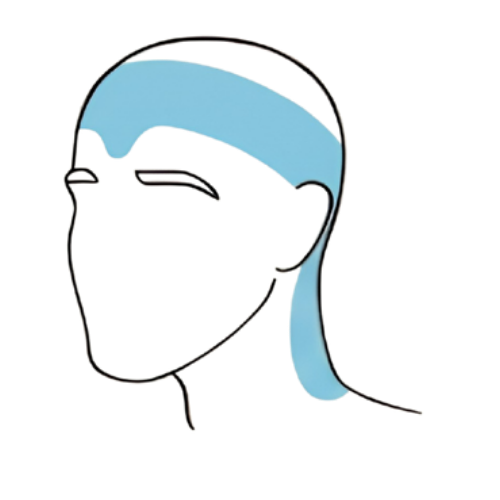
Tension headaches are among the most common types of headaches and are often associated with stress, muscle tightness, poor posture, or fatigue. Patients may experience pressure-like pain around the forehead or back of the head.
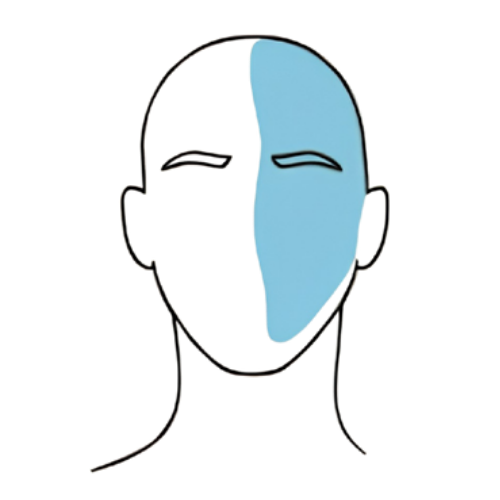
Migraines usually cause intense throbbing pain, often accompanied by nausea, vomiting, and sensitivity to light or sound. Certain triggers, such as stress, hormonal changes, or lack of sleep, may contribute to migraine episodes.
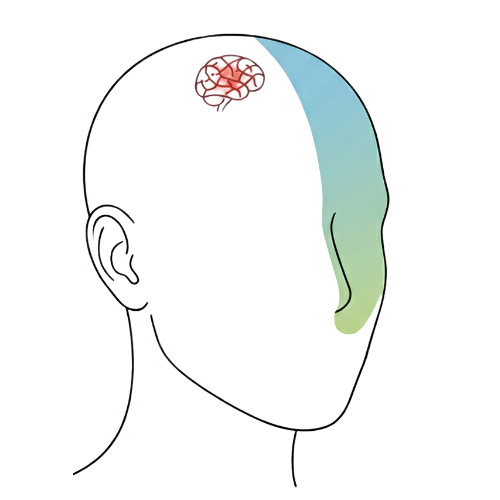
Chronic headaches occur frequently over a prolonged period and may significantly affect daily life and productivity. Patients with persistent symptoms may benefit from chronic headache treatment and long-term management planning.
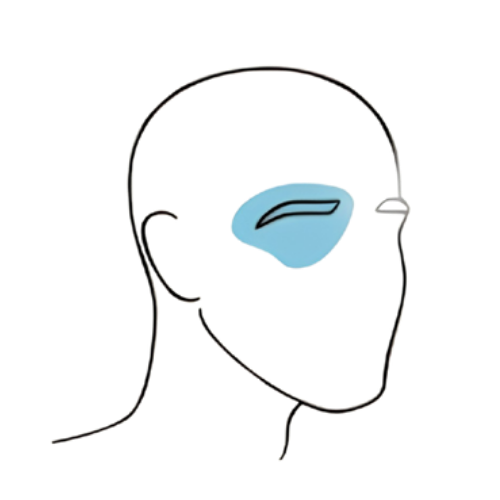
Cluster headaches are severe headaches that usually occur in cycles and may cause intense pain around one eye or one side of the head.
Headaches may develop due to several lifestyle-related, medical, or neurological factors.
Stress and anxiety
Lack of sleep or irregular sleep patterns
Dehydration
Excessive screen time
Eye strain
Poor posture
Skipping meals
High blood pressure
Hormonal fluctuations
Neurological conditions
Sinus infections
Certain medications or dietary triggers
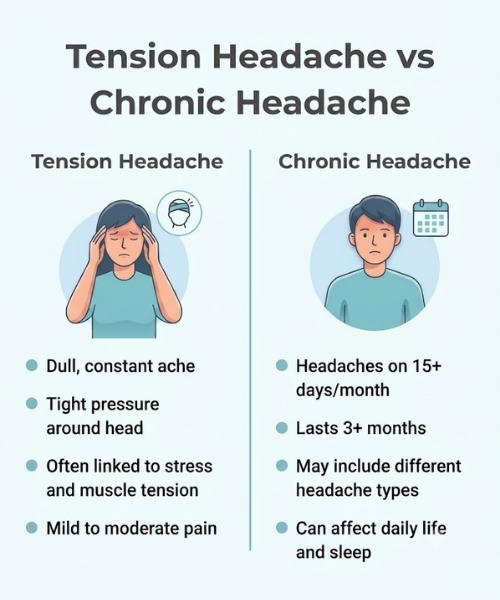
A tension headache is a specific type of headache that typically feels like a dull, constant ache or a tight band of pressure around the forehead, temples, or back of the head. It is commonly triggered by stress, muscle tension, poor posture, jaw clenching, lack of sleep, or prolonged screen use. The pain is usually mild to moderate in intensity and is not accompanied by symptoms such as nausea, vomiting, or visual disturbances. Patients who visit Trinity Spine and Neuro Clinic for tension headache treatment in Rohini often describe a feeling of heaviness or tightness rather than a throbbing or pulsating pain.
A chronic headache, on the other hand, refers to the frequency of headaches rather than a specific headache type. A headache is considered chronic when it occurs on 15 or more days per month for at least three months. Chronic headaches may include chronic tension headaches, migraines, medication-overuse headaches, or other headache disorders. Unlike tension headaches, chronic headaches can vary significantly in their symptoms, severity, and underlying causes. If you experience recurrent headaches that are affecting your daily activities, work, or sleep, consult Dr. Puneet Gulati for chronic headache treatment in Rohini and get help to identify the root cause.
Headaches are often dismissed as a temporary inconvenience. However, when they become frequent or recurrent, they can gradually affect multiple aspects of physical, mental, and emotional well-being.
Persistent headaches may lead to:
Many individuals adapt to recurring headaches and consider them a normal part of life. However, headaches that repeatedly interfere with daily activities deserve proper medical evaluation to identify the underlying cause and explore long-term treatment options.
Many people continue to manage recurring headaches with self-medication, rest, or temporary remedies without understanding why the headaches keep returning.
While many headaches are related to stress, sleep disturbances, or lifestyle factors, persistent symptoms may sometimes indicate migraines, nerve-related conditions, blood pressure problems, or other neurological concerns that require proper evaluation.
Seeking medical attention early can help identify triggers, prevent symptom progression, and improve long-term headache control before the condition begins affecting daily life, work performance, and emotional well-being. If you are experiencing recurrent pain and want to consult a severe headache doctor in Rohini, contact Trinity Spine and Neuro Clinic.
Occasional headaches may improve with rest and hydration. However, certain symptoms should not be ignored. You should consult a doctor if you experience:






Proper diagnosis is important to determine the exact type and cause of headaches before beginning treatment.
The evaluation may include:

The doctor evaluates headache patterns, neurological symptoms, posture, reflexes, and associated triggers.

Details regarding symptom frequency, duration, lifestyle habits, stress levels, sleep patterns, and previous medical history are discussed carefully.

If required, investigations such as MRI scans, CT scans, or blood tests may be advised to rule out neurological or structural causes.
The treatment for headaches depends on the underlying cause, severity, frequency, and type of headache. Many patients improve with medications and lifestyle modifications, while some may require long-term neurological management.

Medicines may be prescribed to relieve pain, reduce inflammation, prevent migraine episodes, or manage chronic symptoms, depending on the diagnosis.

Simple lifestyle adjustments may help reduce the frequency and severity of headaches. These may include:

Patients experiencing muscle tension and posture-related headaches may benefit from physiotherapy, neck exercises, and ergonomic corrections.

Patients requiring chronic headache treatment may need long-term monitoring, preventive medications, trigger management, and lifestyle counseling.
Persistent or unusual headaches may require specialized neurological evaluation to identify underlying causes and guide further treatment planning.
Dr. Puneet Gulati is a headache specialist in Rohini, known for his careful evaluation of each patient before deciding on the most appropriate treatment approach.
Book a Consultation →The cost of headache treatment in Rohini Delhi may vary depending on several factors, including:
The treatment approach is usually planned after a detailed clinical assessment and diagnosis.

Dr. Puneet Gulati is a renowned neurological specialist who focuses on identifying the underlying cause of symptoms and creating personalized treatment plans based on each patient's condition, lifestyle, and recovery goals.
Patients choose Dr. Puneet Gulati for headache treatment because of:
The approach is centered on helping patients understand their condition clearly and guiding them toward safe, effective, and sustainable care.
"My focus is not just on controlling headache symptoms, but on identifying the underlying cause and helping patients achieve long-term relief and better daily comfort."
— Dr. Puneet GulatiPersistent headaches can gradually affect sleep, concentration, work performance, and overall quality of life. People seeking reliable headache treatment consult Dr. Puneet Gulati for personalized neurological care and headache management.
If recurring headaches have been affecting your daily life, professional help is just a call away. Book an appointment with Dr. Puneet Gulati for headache treatment in Rohini, Delhi, today at Trinity Spine and Neuro Clinic.
Disclaimer: The content on this page is for informational and educational purposes only. Diagnosis and treatment should always be based on a qualified doctor's clinical evaluation and medical advice.