
Pain radiating from the neck to the shoulder, arm, or fingers may sometimes indicate nerve irritation or compression in the cervical spine. In many individuals, this pain may be accompanied by numbness, tingling, weakness, or burning sensations that interfere with daily activities and arm movement. If you are experiencing similar symptoms and searching for reliable treatment for pain radiating to arm in Rohini, a timely neurological and spinal evaluation can help identify the underlying cause and prevent worsening nerve-related problems.
Book an Appointment
Radicular pain refers to nerve pain that travels from the spine to other parts of the body due to irritation or compression of a spinal nerve root. When this occurs in the neck region, the pain may radiate to the shoulders, arms, hands, or fingers. In the lower back, nerve compression may cause pain radiating to the legs.
The condition commonly develops due to spinal disc problems, age-related degeneration, inflammation, or narrowing around the spinal nerves.
Radiculopathy is generally classified based on the affected spinal region.
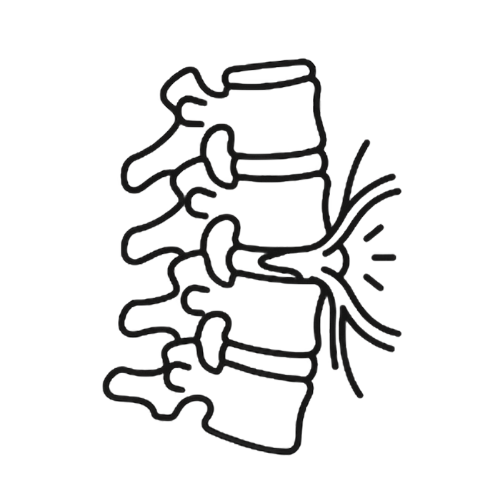
Cervical radiculopathy occurs when nerves in the neck become compressed or irritated. Patients may experience neck pain along with pain radiating to the shoulders, arms, or hands.
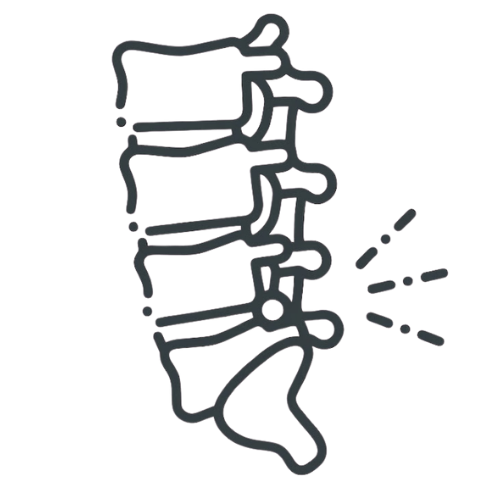
Lumbar radiculopathy affects nerves in the lower back and may cause radiating leg pain, numbness, or sciatica-like symptoms.
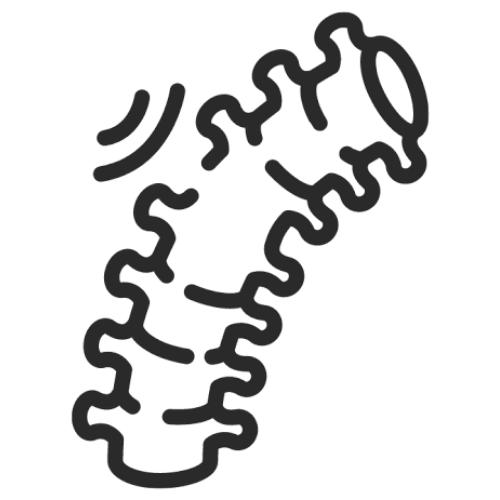
Thoracic radiculopathy affects the upper or mid-back region and is comparatively less common.
Radicular pain usually develops due to irritation or compression of spinal nerves.
Herniated or slipped disc
Cervical disc degeneration
Spinal stenosis (narrowing around the spinal nerves)
Poor posture and prolonged sitting
Bone spurs affecting spinal nerves
Repetitive neck strain
Age-related spinal wear and tear
Spinal injuries or trauma
Heavy lifting or sudden twisting movements
Symptoms may vary depending on the affected spinal nerve and the severity of compression.
Common symptoms include:
Patients experiencing persistent nerve-related symptoms should seek a timely spinal and neurological evaluation. At Trinity Spine and Neuro clinic, Rohini, we offer treatment for pain radiating to the arms by evaluating the underlying cause.
Mild nerve irritation may sometimes improve with rest and posture correction. However, certain symptoms require medical attention.
You should consult a doctor if you experience:
Early diagnosis can help prevent worsening nerve compression and long-term spinal complications.
Proper diagnosis is important to identify the affected spinal nerve and determine the severity of nerve compression.
The evaluation may include:

The doctor evaluates posture, spinal movement, reflexes, muscle strength, and nerve function.

Details regarding symptoms, occupation, daily habits, previous injuries, and pain duration are discussed carefully.

Investigations such as MRI scans, CT scans, or X-rays may be advised to evaluate the spinal discs, nerves, and surrounding structures.
The treatment for radicular pain depends on the severity of nerve compression, underlying spinal condition, and overall patient health. Many patients improve with conservative treatment and rehabilitation.

Medicines may help reduce inflammation, relieve nerve pain, and improve muscle spasms associated with spinal nerve irritation.

Physiotherapy helps improve posture, spinal flexibility, muscle strength, and nerve mobility. Guided exercises may also help reduce symptom recurrence.

Simple changes in daily activities may help improve spinal health and reduce nerve irritation. These may include:
Patients experiencing persistent nerve-related symptoms may require long-term pain management and spinal rehabilitation planning.

In selected cases, advanced procedures such as nerve blocks, minimally invasive spine procedures, or surgical intervention may be recommended if conservative treatment does not provide adequate relief.
Dr. Puneet Gulati is known for his detailed spinal evaluation and personalized approach toward patients experiencing cervical and lumbar nerve-related symptoms.
Book a Consultation →
Dr. Puneet Gulati is a renowned neurological and spine specialist who focuses on identifying the underlying cause of symptoms and creating personalized treatment plans based on each patient's condition, lifestyle, and recovery goals.
Patients choose Dr. Puneet Gulati for pain radiating to arm because of:
The approach is centered on helping patients understand their condition clearly and guiding them toward safe, effective, and sustainable care.
"My focus is not just on relieving nerve pain, but on helping patients restore comfortable movement, improve function, and maintain long-term spinal health."
— Dr. Puneet GulatiUntreated nerve compression can gradually affect arm strength, mobility, and overall day-to-day comfort. People in Delhi seeking reliable pain radiating to the arm in nearby areas consult Dr. Puneet Gulati for personalized spinal and neurological care.
If nerve-related arm pain or spinal discomfort has been affecting your daily activities, professional help is just a call away. Book an appointment with Dr. Puneet Gulati for treatment for pain radiating to arm in Rohini today at Trinity Spine and Neuro Clinic.
Disclaimer: The content on this page is for informational and educational purposes only. Diagnosis and treatment should always be based on a qualified doctor's clinical evaluation and medical advice.