Have you ever seen your loved one get a stroke? The symptoms of a stroke are almost like finding a needle in a haystack, which makes it even more difficult to understand the severity of the situation in the initial stages.
One moment, they're talking normally. Next, they suddenly struggle to finish a sentence. Maybe a cup slips from their hand. Maybe one side of their face doesn't move the way it usually does.
The first reaction is rarely, "This is a stroke."
Most families think:
- "Maybe they're tired."
- "Maybe their sugar has dropped."
- "Let's wait for a few minutes."
Why Does a Stroke Happen?
- Ischemic Stroke
- Hemorrhagic Stroke
- Common Risk Factors
- Facial Changes
- Speech Problems
- Weakness on One Side
- A leg may feel unstable.
- Simple tasks may suddenly become difficult.
Other Symptoms
Why Every Minute Matters?What Happens After the Emergency Is Over?
- Stroke Rehabilitation
- Neuro Physiotherapy and Mobility Restoration
- Paralysis Recovery
- Speech and Swallowing Therapy
- Cognitive Rehabilitation
- Brain Injury Rehabilitation
- Post-Stroke Care
Questions Stroke Patients and Families Ask the Most
- “Will My Loved One Recover Completely?”
- “How Long Will The Recovery Take?”
- “Will They Walk Again?”
- “Will Speech Return?”
- “Can Another Stroke Happen?”
- Can Stroke Be Prevented?
FAQs
Recovery Starts With UnderstandingUnfortunately, those few minutes can make a huge difference.
A stroke is a medical emergency that affects the brain; however, many people still don't know what a stroke actually is, why it happens, or what recovery looks like afterward.
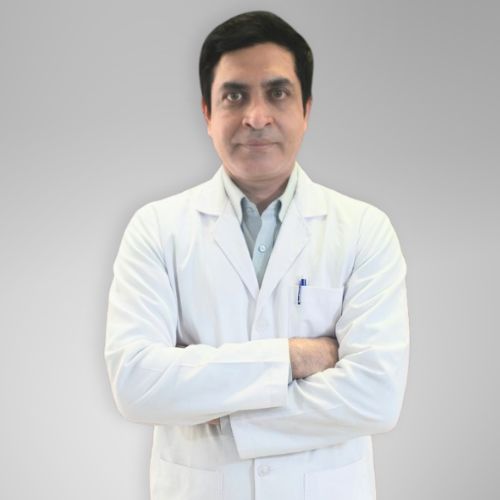
At Trinity Spine and Neuro Clinic, Dr. Puneet Gulati often meets patients coming in for a stroke recovery treatment in Rohini and families of stroke patients who arrive with one common question:
"What happens now?"
Before we talk about recovery, let's understand what a stroke really is.
A stroke happens when blood flow to a part of the brain is interrupted.
Your brain needs a constant supply of oxygen and nutrients delivered through blood vessels. When that supply is blocked or interrupted, brain cells begin to get damaged within minutes.
Think of it like a city suddenly losing power in an important area. Communication stops. Functions slow down. Systems begin to fail.
The brain works in a similar way.
Depending on which area is affected, a person may experience:
weakness
speech difficulties
memory problems
balance issues
swallowing difficulties
vision changes
This is why no two strokes look exactly the same.
For many individuals seeking stroke recovery treatment, understanding what happened inside the brain is often the first step toward understanding their recovery journey.
Most strokes fall into two main categories.
An ischemic stroke occurs when blood flow is blocked by a blood clot in the brain.
This is the most common type of stroke.
When the blockage prevents oxygen-rich blood from reaching brain tissue, damage begins very quickly.
A hemorrhagic stroke happens when a blood vessel ruptures and bleeds into the brain.
The bleeding creates pressure on surrounding brain tissue and can become life-threatening if not treated immediately.
Both types require urgent medical care, but the treatment approach differs depending on the cause.
A stroke may seem sudden, but certain health conditions can quietly increase the risk over time, including:
High blood pressure
Diabetes
Smoking
High cholesterol
Heart disease
Obesity
Physical inactivity
Many strokes are linked to risk factors that develop gradually over the years, often without obvious symptoms.
This is where many families get caught off guard.
The early warning signs of stroke can sometimes appear subtle at first.
The most common brain stroke symptoms include:
One side of the face may suddenly droop.
This facial drooping can become obvious when the person smiles or attempts to speak.
A person may struggle to form words clearly.
Their speech may sound confused, slowed, or slurred.
This slurred speech is often one of the easiest signs for family members to notice.
Many stroke patients experience sudden weakness on one side of the body.
An arm may feel heavy.
Additional signs may include:
sudden confusion
blurred vision
dizziness
balance problems
severe headache
difficulty swallowing
The challenge is that many families mistake these symptoms for exhaustion, stress, or low blood sugar.
That delay can be dangerous.
Doctors often use the phrase:
"Time is brain."
There is a reason for that.
When the blood supply is interrupted, brain cells begin to suffer damage. The longer the treatment is delayed, the more difficult recovery can become.
Quick medical attention improves the chances of preserving brain function and reducing disability.
That is why recognizing the warning signs of stroke quickly is so important.
For many families, this is when a new set of questions begins. The immediate danger may have passed. Now comes recovery. Some patients leave the hospital with minimal difficulties. Others may struggle with movement, speech, memory, or daily activities. This is where rehabilitation becomes essential.
Stroke rehabilitation is the structured process of helping patients recover lost abilities and regain independence.
Recovery is not about one treatment session.
It is a journey that often requires patience, consistency, and teamwork.
Many rehabilitation programs include:
neurological rehabilitation
brain injury rehab
neurophysiotherapy
speech & swallowing therapy
cognitive rehab
post-stroke therapy
Walking across a room sounds simple.
Until a stroke affects movement.
Many patients require neurophysiotherapy to help retrain muscles and movement patterns.
One major goal is mobility restoration.
This may involve:
improving balance
strengthening muscles
rebuilding coordination
improving walking ability
Every small improvement matters.
For some patients, walking independently again becomes one of their biggest victories.
A stroke may affect one side of the body more than the other.
Weakness or paralysis can impact:
arms
legs
facial muscles
Paralysis recovery focuses on improving movement and helping the brain develop new pathways to regain function.
Recovery timelines vary significantly, but rehabilitation often helps patients make meaningful progress.
Communication is something people rarely think about until it becomes difficult. Some stroke survivors know exactly what they want to say but struggle to express it. Others develop swallowing difficulties that affect eating and drinking safely. This is where speech and swallowing therapy become extremely important. Improved communication often leads to improved confidence and social interaction.
A stroke not only affects movement.
Many patients experience challenges involving:
memory
attention
concentration
decision-making
problem-solving
Cognitive rehabilitation helps rebuild these important mental skills through structured exercises and training.
Since a stroke causes injury to brain tissue, many recovery programs also include brain injury rehab strategies.
The goal is to improve:
physical abilities
cognitive function
independence
quality of life
Recovery often happens gradually rather than all at once.
Recovery does not end after therapy sessions.
Proper post-stroke therapy remains important long after discharge.
This often includes:
medication management
blood pressure monitoring
diabetes control
nutritional guidance
regular follow-up visits
Consistency plays a major role in long-term outcomes.
Well, it is important to know and understand that the recovery depends on:
severity of the stroke
location of brain injury
speed of treatment
participation in rehabilitation
Many people improve significantly, especially when therapy begins early.
There is no universal timeline.
Some patients improve within weeks.
Others continue progressing for months or years.
Many patients regain movement through stroke rehab, neurological rehab, and mobility restoration programs.
The outcome varies for every individual.
Speech recovery depends on the area of the brain affected.
Many patients improve significantly with speech & swallowing therapy and ongoing practice.
Unfortunately, yes.
This is why ongoing post-stroke care and effective stroke prevention strategies are so important.
Not every stroke can be prevented.
However, many risks can be reduced through effective stroke prevention strategies.
These include:
controlling blood pressure
managing diabetes
stopping smoking
maintaining a healthy weight
exercising regularly
limiting alcohol intake
attending regular medical checkups
Prevention remains one of the most powerful tools available.
Dr. Puneet Gulati offers reliable stroke recovery treatment in Rohini, personalized to each individual case, whilst highlighting the importance of prevention to keep future generations of patients safe.
How can I regain strength after a stroke?
Regaining strength after a stroke usually involves a combination of rehabilitation exercises, physical therapy, and consistent practice of daily activities. Programs such as stroke rehab, neuro physiotherapy, and mobility therapy help improve muscle strength, balance, coordination, and independence over time. Recovery may be slower in individuals who experienced sudden weakness on one side, but regular therapy can often lead to meaningful improvements.
What is the recovery rate for an ischemic stroke?
Recovery after an ischemic stroke varies from person to person. Some individuals recover with minimal long-term effects, while others may require ongoing rehabilitation and support. Factors such as the severity of the stroke, how quickly treatment was received, and participation in rehabilitation can significantly influence recovery outcomes. Many patients begin recovery after experiencing common brain stroke symptoms and receiving timely treatment.
Can a stroke patient recover fully?
Yes, some stroke survivors recover almost completely, while others continue to improve gradually over months or years. The extent of recovery depends on the area of the brain affected, the severity of the stroke, and commitment to rehabilitation. Early intervention after symptoms such as facial drooping or slurred speech can improve the chances of better recovery outcomes.
What causes most strokes?
Approximately 80% of strokes are ischemic strokes, which occur when a blood clot in the brain blocks blood flow to brain tissue. Common risk factors include high blood pressure, diabetes, smoking, high cholesterol, heart disease, obesity, and lack of physical activity. Managing these conditions can help reduce stroke risk.
A stroke can change life in minutes, but recognizing the symptoms early and starting rehabilitation promptly can make a significant difference in recovery and long-term quality of life.
For individuals undergoing stroke recovery treatment, recovery often involves a combination of stroke rehab, neurological rehabilitation, brain injury rehabilitation, neuro physiotherapy, cognitive rehab, and structured post-stroke therapy. With the right guidance, support, and commitment, many stroke survivors continue making meaningful progress toward greater independence and quality of life.
At Trinity Spine and Neuro Clinic, Dr. Puneet Gulati focuses on helping patients navigate the journey for stroke recovery treatment in Rohini through personalized neurological care, rehabilitation guidance, and long-term support aimed at enhancing quality of life.